
The market finished another volatile week in the red.
Earnings were everywhere — some good, some bad, and plenty of noise in between.
My portfolio dipped roughly 3%, and honestly, that doesn’t bother me. If anything, these are the weeks that remind me why conviction matters more than comfort.
Short-Term Red vs. Long-Term Green
When you look back at any successful investor’s journey, the biggest wins rarely come from buying during euphoria. They come from the quiet weeks — when sentiment is weak, screens are red, and patience is tested.
It’s human nature to want instant validation. We all like seeing our portfolios in the green. But the truth is, the best returns don’t show up until after most people have stopped paying attention.
Red weeks test discipline. They force you to revisit your “why.” And lately, that’s been my focus — reminding myself why I own what I own.
Adding, Not Reacting
This week, I kept things simple. I continued adding to a few key positions — $AMZN, $PYPL, $CAKE, $FUBO, and $ABCL — while also raising some cash.
Let’s break that down for context:
$AMZN
Still one of my favorite long-term holdings. The company’s profit engine is just now hitting full stride — AWS, advertising, logistics — it’s all clicking. Amazon’s efficiency phase is setting up its next decade of growth.
$PYPL
An incredible quarter that most investors ignored. Cost control, margin improvement, and buybacks all show a company that’s serious about rebuilding shareholder value. I think the best days are still ahead.
$CAKE
This one’s a quiet favorite. North Italia and Flower Child continue to grow rapidly, and international expansion is underway. The market sees “restaurant stock,” but I see long-term brand value that’s still early in its growth story.
$FUBO
The risk is much lower than it used to be. The company has stabilized costs, improved margins, and shown clear progress toward profitability. Execution keeps getting better, and the upside remains huge if momentum continues. Now that $DIS is involved it is much less speculative.
$ABCL
AbCellera is one of those names that requires patience. It’s well-capitalized, executes steadily, and has long-term partnerships that will compound value over time. The biotech cycle will turn — and when it does, $ABCL will benefit.
I’m not trading headlines. I’m managing conviction.
Cash as a Position
One thing I’ve learned over time is that cash isn’t the enemy — it’s flexibility.
I’ve been raising cash the past few weeks, not because I’m fearful, but because I want to stay opportunistic. We’re entering a period of uncertainty, and if the market gives me lower prices on companies I already believe in, I want to be ready.
The key is balance — staying invested, but never overextended.
Conviction Over Comfort
It’s easy to feel confident when everything’s green.
But conviction isn’t built during rallies — it’s forged during pullbacks.
I’ve learned to trust research over emotion. If the fundamentals hold, I add. If they don’t, I move on.
Because at the end of the day, it’s not about timing the market — it’s about time in the market.
The Bigger Picture
You don’t need 30 stocks — you need a few you deeply understand.
I’ll continue focusing on quality, cash flow, and execution — not hype.
Stocks like $SOFI, $AMZN, and $PYPL fit that mold perfectly. These are real businesses solving real problems.
This is a market for patience, not panic.
Where I Track It All
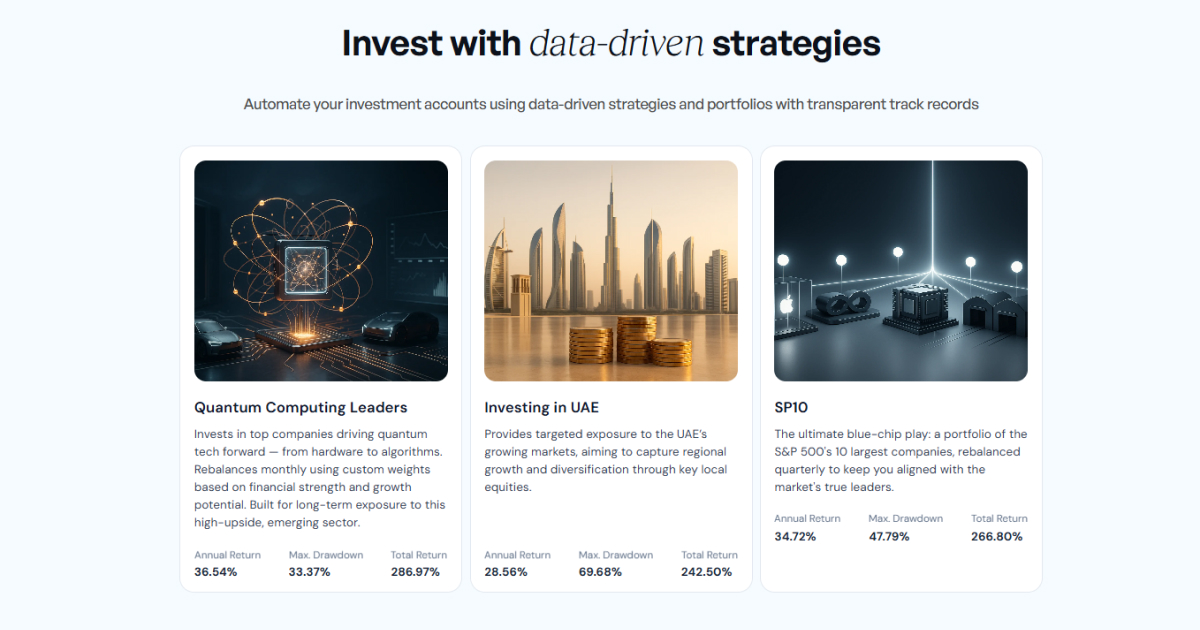
I track and manage all of these positions inside my strategy on Surmount — built entirely around fundamentals, patience, and conviction.
Every move I make is transparent and data-backed, designed for compounding returns over the long term — not short-term noise.
Final Thought
The market doesn’t reward panic — it rewards perspective.
Red weeks aren’t setbacks; they’re setups.
If you trust the work you’ve done, every dip becomes an opportunity.
Disclaimer:
This content is for informational and educational purposes only. It reflects my personal opinions and investing approach, not financial advice. Investing involves risk, including the potential loss of principal. Always conduct your own research or consult a qualified financial advisor before making investment decisions.
