
One of the biggest lessons I’ve learned as an investor is this:
A great company does not always make a great stock — at least not right away.
This is something that trips up a lot of investors, especially early on. We find an amazing business, fall in love with the product, the leadership, the growth story… and assume the stock has to work.
Sometimes it does.
Sometimes it doesn’t — for a long time.
The difference usually comes down to timing, valuation, and expectations.
Great Companies Can Be Bad Stocks (Temporarily)
A great company is defined by the business itself.
Strong product
Growing revenue
Competitive advantages
Capable management
Large market opportunity
But a stock is not just the business.
A stock is the market’s expectations about that business.
When expectations are already sky-high, even great execution can disappoint investors. The company can do everything right, and the stock can still go nowhere — or even go down.
That’s not failure.
That’s math and psychology.
Valuation Is the Bridge Between Company and Stock
Valuation is where most investors struggle.
People say they’re “long-term,” but still overpay. Others wait for perfection and never buy anything at all.
A great company becomes a great stock when:
• Growth justifies the price
• Cash flow improves faster than expected
• The market underestimates durability
When valuation gets stretched, the bar rises. Every quarter needs to be perfect. Any hiccup gets punished.
That’s why some stocks feel frustrating even though the business looks amazing on paper.
Timing Matters More Than People Admit
Timing doesn’t mean day trading.
It means understanding where the company is in its cycle and where expectations are set.
Early-stage companies can be risky, but expectations are often low. That’s where upside can be massive if execution improves.
Mature companies can be safer, but upside may be capped if everyone already agrees they’re great.
Neither is “better.”
They’re just different setups.
The best stock opportunities often come when:
• The business is improving
• Sentiment is still negative or cautious
• The story hasn’t fully caught up yet
That gap is where returns are made.
Expectations Drive Short-Term Returns
Over the long term, fundamentals matter most.
But in the short to medium term, expectations rule everything.
If expectations are low, a company doesn’t need to be perfect — it just needs to be better than expected.
If expectations are high, even strong results can feel like a letdown.
This is why stocks sometimes fall after “good earnings.” The market isn’t reacting to the results — it’s reacting to whether reality exceeded the story it already believed.
Why This Matters for Individual Investors
Most individual investors don’t lose money because they pick bad companies.
They lose money because:
• They overpay
• They chase excitement
• They confuse a great product with a great stock
Understanding this difference helps you:
• Be more patient
• Size positions better
• Avoid emotional decisions
It also makes drawdowns easier to handle, because you know why the stock is moving — not just that it is.
The Real Goal: Alignment
The best investments happen when all three align:
• A strong underlying business
• Reasonable or improving valuation
• Manageable expectations
That’s when a great company becomes a great stock.
It doesn’t happen every day.
But when it does, time does the rest of the work.
Final Thought
Investing isn’t about finding perfect companies.
It’s about understanding how the market prices imperfect ones, and deciding whether the gap between perception and reality is worth your capital.
Great companies are everywhere.
Great stocks are rarer.
Learning the difference changes everything.
How I Use Surmount
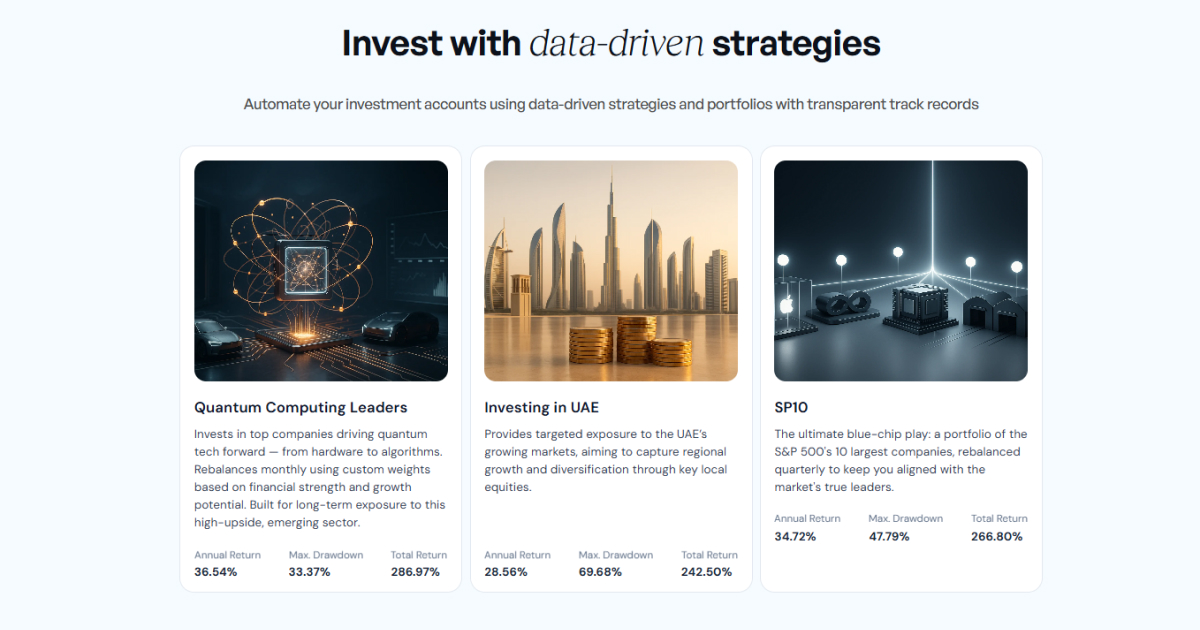
I use Surmount to help separate great businesses from great stock opportunities.
Surmount helps me:
• Compare valuation across similar companies
• Track fundamentals over time
• Identify where expectations may be mispriced
It doesn’t tell me what to buy — it helps me stay disciplined and objective before I ever think about position sizing.
Disclaimer
This article is for educational and informational purposes only and reflects my personal investing framework. It is not financial advice, a recommendation to buy or sell any security, or a guarantee of future performance. All investing involves risk, including the potential loss of capital. Always do your own research and consider your financial situation and risk tolerance before making investment decisions.
